
creating cultures where being human isn’t a liability.
A trauma-informed people strategy partner for leadership teams.
room to be human functions as an extension of your leadership team—helping you build cultures where people can perform, contribute, and stay well.
this work brings together:
leadership development | mental and emotional health awareness | role clarity and team structure
So leaders don’t have to carry people problems alone.
who this is for?
supporting leaders and leaders of leaders.
this work is designed for:
• executive teams
• founders and small business owners
• leaders managing other leaders
• organizations without a full internal hr or people strategy function
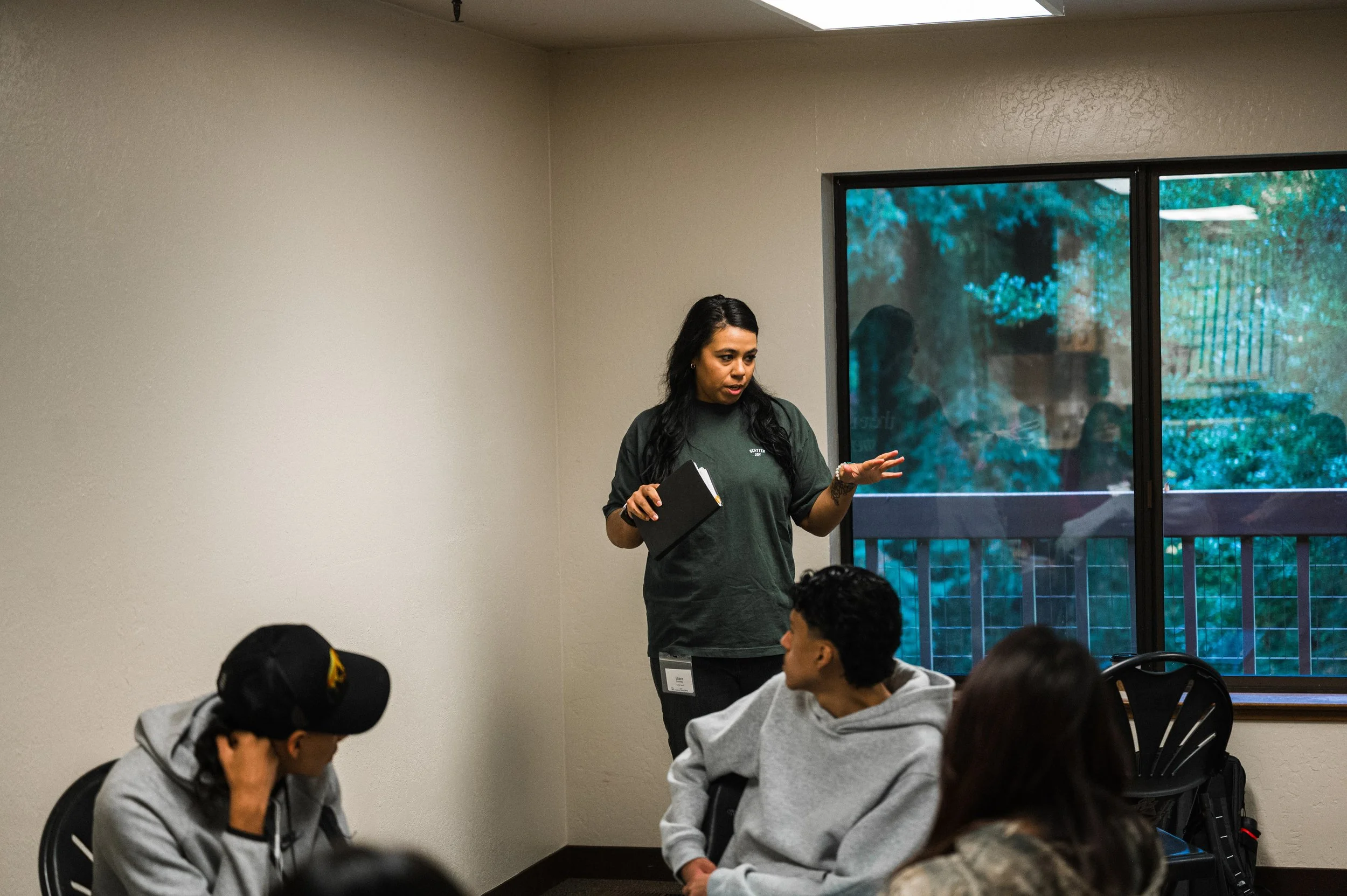
how i work with teams.
-
Description text goes herefor many small or growing organizations, there isn’t internal capacity to think deeply about people, culture, and leadership.
i function as an external people and culture partner, helping leadership teams:
• think through team dynamics
• navigate people challenges
• build healthier systems
• create sustainable expectationsthis is not traditional hr.
it’s a more human-centered, trauma-informed approach to how teams function. -
most leaders are promoted without being taught how to lead people.
i work with executive teams to build skills in:
• managing the mental and emotional realities of teams
• understanding stress and nervous system responses
• navigating conflict and communication
• creating psychologically safe environmentsthis helps leaders move from reactive management → intentional leadership.
-
leadership is often isolating.
i create space for executive teams to:
• process the stress of leadership
• think through difficult decisions
• navigate team challenges with clarity
• reflect without judgmentin many ways, this functions as a structured, professional space for leaders to think, process, and lead more effectively.
(not therapy—but informed by a counseling lens.)
-
this work doesn’t stay at the top.
after working with leadership, i support broader teams through:
• quarterly team sessions
• culture and communication alignment
• role clarity conversations
• workshops on mental and emotional health at workthis ensures the work is felt across the organization—not just discussed at the top.
organizations often come into this work because they’re experiencing:
• burnout at the leadership level
• unclear roles and expectations
• team tension or communication breakdowns
• leaders carrying too much emotionally
• lack of psychological safety
• growth without structure
what this work addresses.
when this work is done well, organizations begin to see:
• clearer roles and expectations
• healthier leadership dynamics
• reduced burnout and overfunctioning
• improved communication across teams
• cultures where people can contribute without self-abandonment
the outcome.
this work is shaped by a mental health and counseling perspective.
that means:
• behavior is understood, not just corrected
• systems are examined, not just individuals
• leaders are supported, not just expected to perform
• culture is built intentionally, not assumed
because people don’t leave their humanity at the door when they come to work.
why this approach is different.
if you’re leading a team and carrying more than you were trained for, this work is designed to support you.